
Ready to regain hormonal balance and finally feel your best? Dive into the world of the best Herbs that Balance Hormones with this guide! Let nature’s remedies help you heal naturally, fully feel safe at home in your body, and more sustainably reach your goals for optimal well-being.

⚖️ A Natural Approach To Balancing Female Hormones
Hormonal balance is vital to a healthy mind and body. In the intricate symphony of our bodies, hormones play a leading role, influencing everything from our mood and energy to our reproductive health and more. Yet, sometimes, this hormonal orchestra can fall out of tune, leading to a whole range of issues.
If you’ve ever experienced painful periods, mood swings, extreme fatigue, irregular cycles, or other symptoms of hormonal imbalances, you know that it can be challenging to not only reach goals, but to actually remain present in life, in this body.
That’s where the power of herbs and supplements comes in. These natural remedies offer a gentle and holistic approach to help harmonize your hormonal composition, making you feel like your best, most vibrant self.
In this guide, we’ll explore how using herbs that balance hormones naturally can be a game-changer for your overall well-being.
Jump to:
- ⚖️ A Natural Approach To Balancing Female Hormones
- 🤔 How Do I Know If I Have a Hormone Imbalance?
- 💡 Top Five Tips for Rebalancing Hormones
- 🙌 The Best Herbs that Balance Hormones
- 👊 Ashwagandha – The Stress Buster
- 🤎 Maca – The Hormonal Chameleon
- 💜 Chasteberry (Vitex) – The Pituitary Whisperer
- 🖤 Black Cohosh – The Estrogen Regulator
- ❤️ Red Clover – Ease and Comfort
- 🌼 Dandelion – Nature’s Hormonal Harmony
- 🧡 Rhodiola – Stress Resilience
- ♥️ Red Raspberry Leaf – Protects and Balances
- 💛 Evening Primrose Oil – The Feel Better Now Remedy
- 💭 Final Thoughts
- 🥑 Other Resources You Might Like To Check Out
🤔 How Do I Know If I Have a Hormone Imbalance?
Hormones are the body’s silent messengers, orchestrating a symphony of processes, from mood and energy levels to metabolism and reproductive health. When they fall out of tune, we may find ourselves out of balance – which is quite easy to do in todays day and age!
The tricky part about all of this is that having hormones that are “out of balance” can look and feel like a lot of varying symptoms for individuals in different chapters of life.
Common signs and symptoms of hormone imbalance include:
- Irregular Menstrual Cycles – Changes in the length, flow, or regularity of menstrual periods
- Painful Periods – breast tenderness or pain, migraines, extreme cramping, joint pain or stiffness
- Weight changes – Unexplained weight gain or weight loss
- Skin Issues – Acne or other skin problems can be related to hormonal fluctuations
- Hair Loss or Thinning – Changes in hair texture, increased hair loss, or thinning
- Sleep Disturbances – Difficulty falling asleep, staying asleep, or experiencing poor-quality sleep
- Mood Swings – Mood changes, irritability, anxiety, or depression
- Fatigue – Persistent fatigue or low energy levels
- Low Libido – Decreased or increased interest in sexual activity
- Digestive Issues – Digestive problems, such as bloating or constipation, can be linked to hormonal changes
- Hot Flashes or Night Sweats – Sudden and intense feelings of heat, often accompanied by sweating
- Headaches – Hormonal fluctuations can trigger headaches or migraines
- Brain-Fog – Difficulty concentrating or memory problems

💡 Top Five Tips for Rebalancing Hormones
Balancing female hormones is essential for overall health and well-being and is a non-negotiable if we are wanting to not only feel our best today, but to give our body what it needs to truly thrive in terms of longevity and vitality for years to come.
Before we deep diving into some really the best herbs that balance hormones that will support your body in its health and healing journey, I want to take a moment to express the importance of lifestyle factors that play the biggest role in regulating hormones.
Five Lifestyle Tips That Contribute To Hormone Imbalance:
- Nutrient-Rich Diet: A diet rich in whole foods, including plenty of fruits, vegetables, lean proteins, and healthy fats, provides essential nutrients that support hormonal balance. Focusing on foods like leafy greens, berries, fatty fish, and nuts, which offer vitamins, minerals, and antioxidants that are crucial for hormone regulation.
- Regular Exercise: Physical activity not only helps with weight management but also improves insulin sensitivity, supports the metabolism and promotes hormonal balance. Engage in a mix of cardiovascular and strength training exercises to support metabolic health and reduce stress, which all massively impact hormones.
- Stress Management: Chronic stress can disrupt hormonal equilibrium. Incorporate stress-reduction techniques like mindfulness meditation, yoga, deep breathing, and hobbies to help relax and rejuvenate your mind. When consistent, these practices help lower cortisol levels, fight inflammation improve blood sugar levels, and support overall hormonal health.
- Adequate Sleep: Quality sleep is crucial for hormonal balance. Aim for 7-9 hours of restorative sleep per night. Sleep helps regulate hormones like insulin, cortisol, and growth hormones that all contribute to overall health.
- Environment and Conditions: Our environment introduces a myriad of toxic substances known as endocrine disruptors. These are found in everyday products like plastics, pesticides, and certain chemicals that are commonly used. These disruptors can interfere with the endocrine system, affecting hormone production and regulation. Conditions including autoimmune issues, chronic pain, and conditions like PCOS, can disrupt this equilibrium, leading to hormonal imbalances that will require more care and targeted intervention in order to support, heal, and restore internal harmony.
Balancing hormones is a journey that may require time and patience. This is definitely not an exhaustive list as there’s a lot of moving parts to manage. It’s essential to consult with a trusted healthcare provider or a holistic practitioner who can assess your specific hormonal imbalances and provide personalized guidance for achieving hormonal harmony.

🙌 The Best Herbs that Balance Hormones
👊 Ashwagandha – The Stress Buster
Ashwagandha, scientifically known as Withania somnifera, is an adaptogen hailing from the Ayurvedic tradition, boasting a history spanning thousands of years in traditional Indian healing practices.
Adaptogens are a unique category of herbal remedies that have gained popularity for their ability to help the body adapt to stress, promoting balance and resilience.
Research has shown that this potent regenerative tonic has multiple pharmacological actions like anti-stress, neuroprotective, antitumor, anti-arthritic, analgesic and anti-inflammatory properties.
Ashwagandha’s Impact on Hormone Health:
Ashwagandha’s influence on hormonal balance is multifaceted. Firstly, it plays a role in cortisol regulation, a key stress hormone. By modulating cortisol levels, ashwagandha supports the body’s response to stress, reducing anxiety and contributing to overall hormonal equilibrium.
Studies also suggest positive effects on thyroid function, offering support to individuals dealing with thyroid-related issues.
Ashwagandha is also believed to help balance sex hormones like testosterone and estrogen, making it relevant for conditions with hormonal fluctuations like PCOS.
How to Incorporate Ashwagandha To Balance Female Hormones:
Ashwagandha is commonly available as supplements like capsules, powders, and tinctures. It can also be consumed as a tea or easily included in your favorite coffee, latte, or even hot chocolate.
However, it’s crucial to consult with a healthcare professional before adding any new herbs that balance hormones or supplement to your routine, especially for those who are pregnant, nursing, or taking medications.

🤎 Maca – The Hormonal Chameleon
Nestled in the high-altitude regions of the Andes, maca root has earned its reputation as a natural powerhouse for hormonal balance. This unassuming root vegetable, resembling a turnip, has gained global recognition for its remarkable adaptogenic properties and nutritional richness.
Beyond its earthy flavor and versatility in culinary creations, maca is rich in essential nutrients, including vitamins, minerals, and amino acids. Scientific evidence shows positive effects on sexual behavior, fertility, mood, memory, osteoporosis, metabolism, and the treatment of some tumor entities, making it a cherished ally in navigating overall health and hormonal shifts.
Maca’s Impact on Hormone Health:
Known to adapt to the body’s unique needs, maca doesn’t impose its will but rather gently nudges hormonal systems toward equilibrium. It’s particularly praised for its potential to support the endocrine system, which governs the release of hormones. From adrenal function to reproductive health, maca’s influence is multifaceted.
Maca is celebrated for its adaptogenic nature, meaning it can help the body adapt to various stressors and maintain balance. It contains a spectrum of nutrients, including vitamins (such as B vitamins and vitamin C), minerals (like iron and potassium), and essential amino acids. This nutrient-dense profile contributes to its role as a holistic supporter of bodily functions.
How to Incorporate Maca To Balance Hormones:
Incorporating maca into your routine can be as simple as adding a spoonful of its powdered form to smoothies, oatmeal, or even your morning coffee. However, it’s important to approach maca supplementation as part of a holistic lifestyle that includes a balanced diet, regular exercise, and stress management.

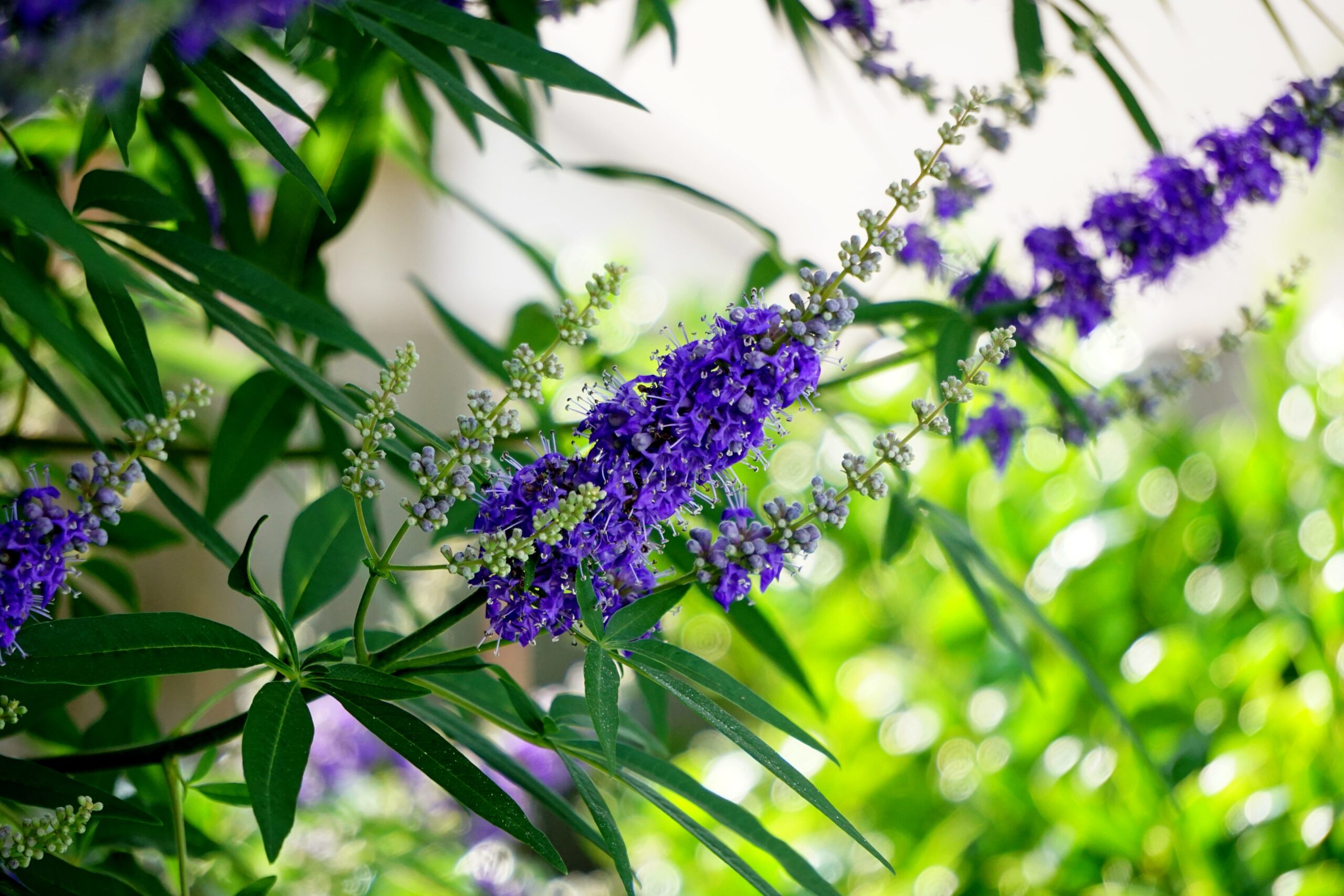
💜 Chasteberry (Vitex) – The Pituitary Whisperer
Chasteberry, also known as Vitex agnus-castus, is a small, peppercorn-like fruit that comes from the chaste tree, native to the Mediterranean region. This berry has a rich history in traditional medicine, particularly for its potential to support hormonal balance in women.
Chasteberry’s Impact on Hormone Health:
The magic of chasteberry lies in its impact on the endocrine system, which regulates the body’s hormone production. This plant has been historically used to address various hormonal imbalances, particularly those associated with the menopausal symptoms, the menstrual cycle and reproductive health.
Research suggests that chasteberry may influence the pituitary gland, a tiny but mighty organ in the brain that orchestrates hormone production. By doing so, it may help balance levels of key hormones such as progesterone and prolactin. This balancing act can potentially alleviate symptoms associated with hormonal fluctuations, including premenstrual syndrome (PMS) and irregular menstrual cycles.
How to Incorporate Chasteberry To Balance Female Hormones:
Chasteberry is commonly consumed in supplement form, available in health stores or online. While it’s generally well-tolerated, it’s crucial to approach any supplement with a personalized perspective.
As always, if you’re considering incorporating chasteberry, especially if you’re pregnant, nursing, or have underlying health conditions, consulting with a healthcare professional is advisable.
🖤 Black Cohosh – The Estrogen Regulator
Black Cohosh, scientifically known as Actaea racemosa, is a perennial herb native to North America. For centuries, indigenous peoples of the region have utilized its roots for various medicinal purposes and in recent years, it has gained popularity for its potential in supporting women’s hormonal health.
Black Cohosh’s Impact on Hormone Health:
This herb’s primary claim to fame is its role in managing symptoms associated with menopause, a time marked by significant hormonal shifts. Black Cohosh is believed to contain compounds that mimic the effects of estrogen, the primary female sex hormone. This estrogenic activity may help alleviate hot flashes, mood swings, and sleep disturbances that often accompany menopausal transitions.
How to Incorporate Black Cohosh To Balance Female Hormones:
This herb can be incorporated into your routine in tablets, capsules, or powder form, or enjoyed as a tea. For those exploring Black Cohosh, whether in supplement form or as part of a broader wellness strategy, consulting with a healthcare professional is wise, especially if you have existing health conditions or are taking other medications.
❤️ Red Clover – Ease and Comfort
Red Clover, scientifically known as Trifolium pratense, is a herbaceous perennial plant with vibrant pink to purple blossoms. Native to Europe and Asia, it has found its way into traditional herbal practices globally. This unassuming plant holds a secret weapon for women’s hormonal health.
Red Clover’s Impact on Hormone Health:
The magic of Red Clover lies in its rich content of phytoestrogens, plant compounds that mimic the role of estrogen in the body. This phytoestrogenic activity is particularly beneficial during phases of hormonal imbalance, such as menopause. By interacting with estrogen receptors, Red Clover may help alleviate symptoms like hot flashes and mood swings.
How to Incorporate Red Clover To Balance Female Hormones:
Incorporating Red Clover into your routine doesn’t require a major lifestyle overhaul. Many people enjoy it as a tea, blending the blossoms into a soothing infusion. Picture yourself sipping on a warm cup, the floral notes calming not just your taste buds but potentially also the hormonal fluctuations within.

🌼 Dandelion – Nature’s Hormonal Harmony
Dandelion, that vibrant yellow flower dotting lawns and fields, isn’t just a weed; it’s a botanical powerhouse with surprising benefits for overall health. Originating in Eurasia, dandelion has gracefully spread its roots across the globe, embraced for its medicinal properties.
Dandelion’s Impact on Hormone Health:
Rich in phytonutrients, dandelion is particularly hailed for its potential to support hormonal balance. Its roots, leaves, and flowers house an array of compounds that engage with the endocrine system, promoting hormone synthesis and offering a gentle nudge towards equilibrium.
Dandelion has also been found to improve areas relating to metabolic health including, improving cholesterol levels, lowering blood glucose and reducing glucose absorption, fighting free radials. These all help prevent the development of diabetes, hypertension and other cardiovascular diseases. Metabolic health and hormone health are intrinsically connected, so the multidirectional effects of dandelion positively impact both areas simultaneously.
How to Incorporate Dandelion To Balance Female Hormones:
Incorporating dandelion into your wellness routine can be a tasty adventure. Fresh dandelion leaves add a tangy kick to salads, while dried roots create earthy, caffeine-free teas. There’s even a coffee alternative for those looking to curb their caffeine intake called Dandy Blend. It’s rich, creamy, and tastes delicious!
As you explore the benefits of dandelion, consider experimenting with it by adding it to your culinary creations or enjoying it in the form of herbal teas. However, it’s essential to embrace herbs mindfully and, if needed, seek guidance from healthcare professionals, especially if you’re pregnant, nursing, or managing specific health conditions.

🧡 Rhodiola – Stress Resilience
Originating from the rugged landscapes of Siberia, Rhodiola, also known as Arctic root or golden root, is a resilient herb that has adapted to thrive in harsh climates. This adaptability is mirrored in its ability to support hormonal balance, especially in the realm of stress management.
Rhodiola’s Impact on Hormone Health:
Rhodiola is celebrated for its adaptogenic properties, which means it helps the body adapt to stressors, whether they’re physical, emotional, or environmental. For women navigating the intricate dance of hormones, Rhodiola emerges as a supportive ally with anti-stress, anti-aging, and cancer prevention properties.
This herb contains bioactive compounds like rosavins and salidroside, which interact with the body’s stress response system. By modulating stress hormones like cortisol, Rhodiola helps create a more balanced internal environment. In addition to that, research indicates that Rhodiola could be a potential estrogen modulator to help prevent, delay or mitigate menopause-related cognitive, psychological, cardiovascular and osteoporotic conditions.
How to Incorporate Rhodiola To Balance Female Hormones:
Incorporating Rhodiola into your routine is an art of self-care. This could involve enjoying it as a supplement or sipping on Rhodiola-infused teas. It has a slightly stimulating effect and has been recommended to take on an empty stomach, and not near bedtime. Tinctures are also available and if you are looking to incorporate rhodiola, look for supplements that have undergone third-party testing to avoid the potential for adulteration.
♥️ Red Raspberry Leaf – Protects and Balances
Derived from the leaves of the red raspberry plant, Raspberry Leaf has long been hailed for its nurturing properties, especially in the context of women’s health. Originating in Europe, North America, and parts of Asia, this herb has gracefully traversed cultural traditions, offering support to women throughout various life stages.
Raspberry Leaf’s Impact on Hormone Health:
Raspberry Leaf is renowned for its nutrient profile, including vitamins like C, E, and B, as well as minerals such as magnesium, potassium, along with a rich bioactive polyphenol profile. Beyond its nutritional bounty, this herb is cherished for its potential hormonal benefits and anti-inflammatory properties.
Women have historically turned to Raspberry Leaf to ease menstrual discomfort and promote reproductive health. Its purported ability to tone the muscles of the uterus may contribute to more comfortable menstrual cycles and possibly aid during pregnancy.
How to Incorporate Raspberry Leaf To Balance Female Hormones:
Incorporating Raspberry Leaf into your wellness routine can take various forms. From sipping on a soothing herbal tea to incorporating it into blends, recipes, or even as a supplement, this herb offers flexibility in its application.

💛 Evening Primrose Oil – The Feel Better Now Remedy
Extracted from the seeds of the Evening Primrose plant, this golden elixir has garnered attention for its potential to foster hormonal balance, especially in the realm of women’s health. Native to North America, Evening Primrose has found its way into the wellness routines of many seeking support for hormonal fluctuations.
Evening Primrose Oil’s Impact on Hormone Health:
Evening Primrose Oil is a rich source of gamma-linolenic acid (GLA), an essential fatty acid with anti-inflammatory properties. GLA is a precursor to prostaglandins, hormone-like substances that play a role in various bodily functions, including hormonal regulation. As such, incorporating Evening Primrose Oil into your routine might provide support during different phases of the hormonal shifts women encounter, including the menstrual cycle and menopause.
The benefits of Evening Primrose oil are abundant and many women turn to Evening Primrose Oil to alleviate symptoms associated with PMS, such as breast tenderness and mood swings. Its potential anti-inflammatory effects may also be beneficial for conditions like endometriosis.
How to Incorporate Evening Primrose Oil To Balance Female Hormones:
Incorporating Evening Primrose Oil into your daily regimen is relatively straightforward. You can find it in supplement form or as an oil that can be added to salads or taken directly. As with any supplement, it’s advisable to consult with a healthcare professional to determine the right dosage for your individual needs.

💭 Final Thoughts
Balancing female hormones naturally is an empowering journey. By understanding your body, making mindful choices, and seeking support when needed, you can embark on a path to greater hormonal balance and overall well-being.
Please know that finding balance is not a one-size-fits-all journey, so it’s essential to consult with a trusted healthcare professional for personalized guidance in your quest for optimal hormonal and metabolic health.
If you are looking for more support, Nourished Nature is a 30-page Hormone Foundations Guide made just for you. This guide deep dives into all the moving parts that make up our hormonal health and will teach you how to balance your hormones naturally.
I hope this guide of the best herbs that balance hormones will provide valuable insights and practical tips for any woman looking to take a natural approach to balance their hormones and lead a healthier, more vibrant life!
With the right knowledge, guidance, and application, these herbs and lifestyle tips can be valuable allies in your quest for hormonal harmony.
🥑 Other Resources You Might Like To Check Out
- Anti-Inflammatory Food Guide (with printable PDF!)
- Good Food is Good Mood: A Guide to Feel Better Now
- Ashwagandha for PCOS
- How to Heal a Dysregulated Nervous System
I hope you found this post informative and feel empowered when it comes to your health! Please let me know how you enjoyed it by leaving a comment or rating so I know to make more content similar to this in the future. Happy healing, xo!


Leave a Reply